Wittenoom: Poisoned Land, Ignored Crime
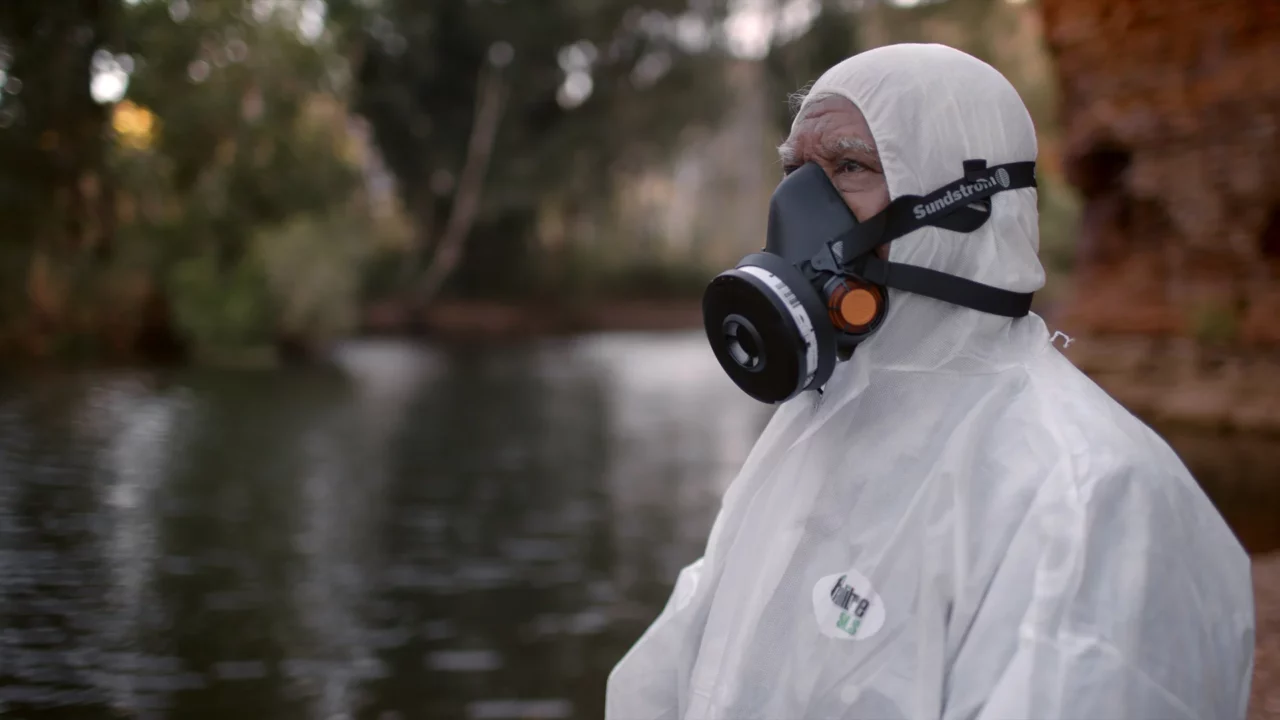
In Australia, the Wittenoom asbestos mine was operated with no regard for Aboriginal communities, the traditional custodians of the land. Though now closed, the site has become a vast contaminated exclusion zone, often described as Australia’s Chernobyl. Communities continue to suffer its consequences and are seeking redress, demanding decontamination and pursuing their case as far as Geneva. Beyond Wittenoom, how can the rights of Indigenous peoples be enforced in the face of resource extraction? And how should responsibility be shared between states and corporations to guarantee the right to a healthy environment?
Géraldine Viret
Spokesperson for French-speaking Switzerland, Public Eye
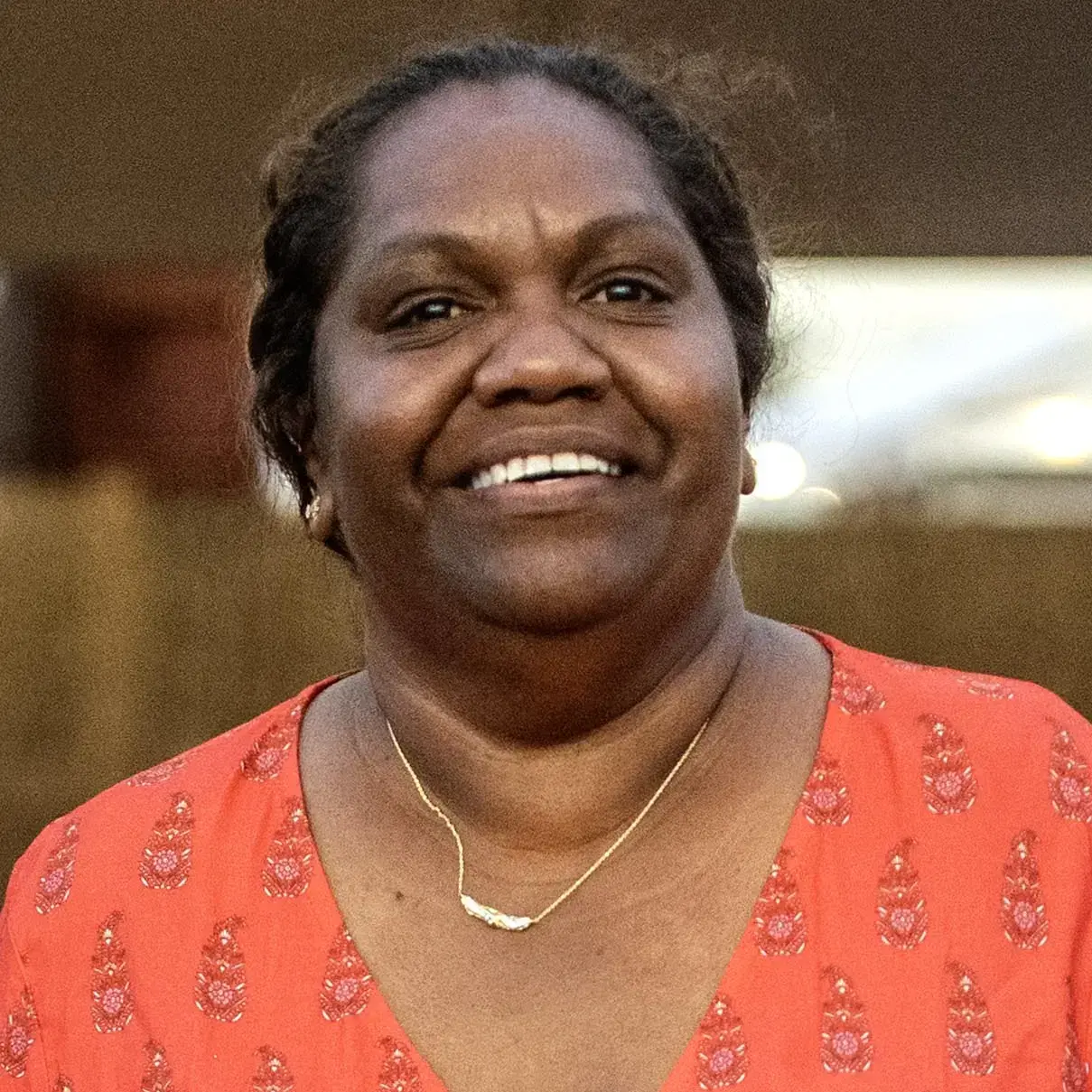
Johnnell Parker
Vice Chair of Banjima Native Title Aboriginal Corporation
Learn More
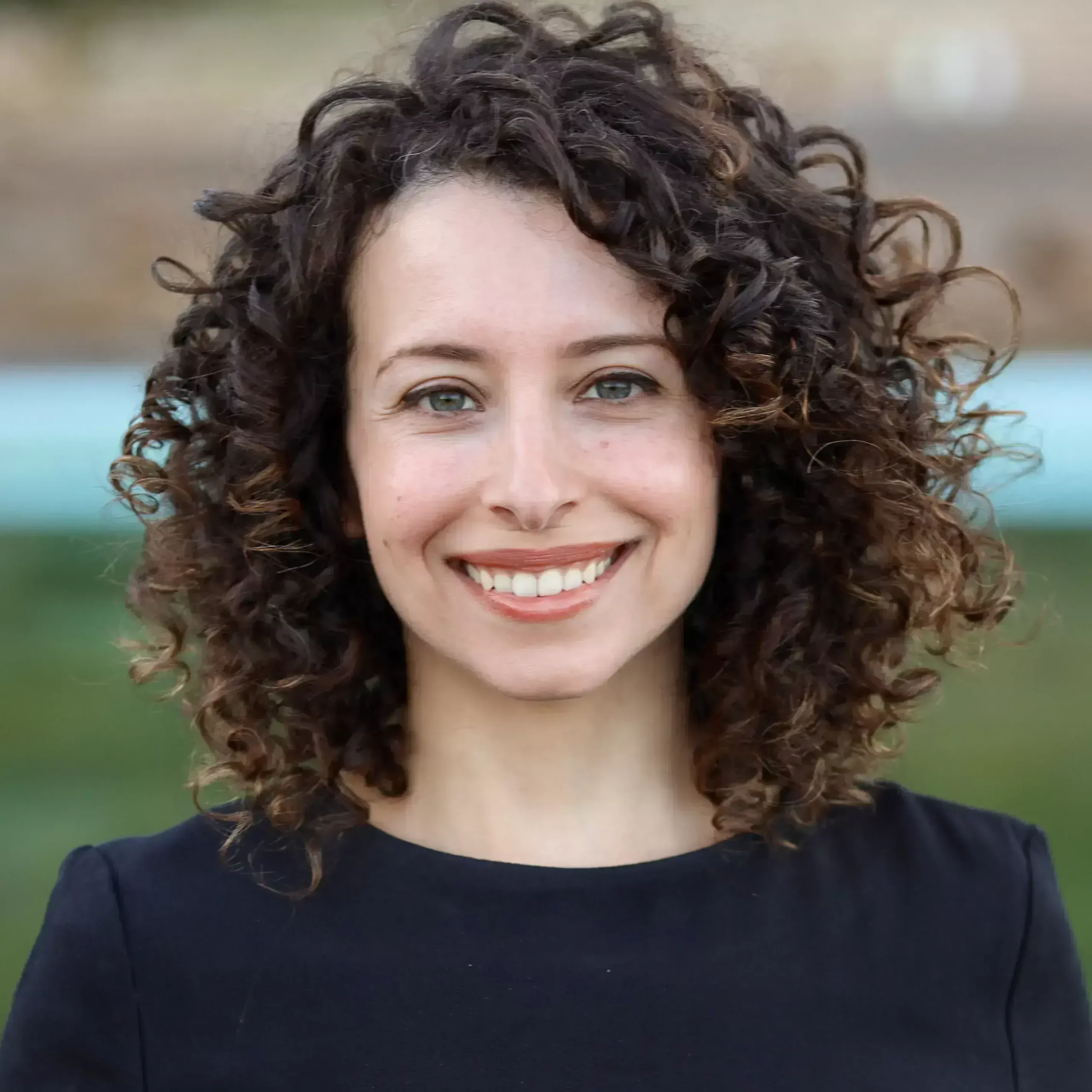
Yaara Bou Melhem
Director of Yurlu | Country
Learn More
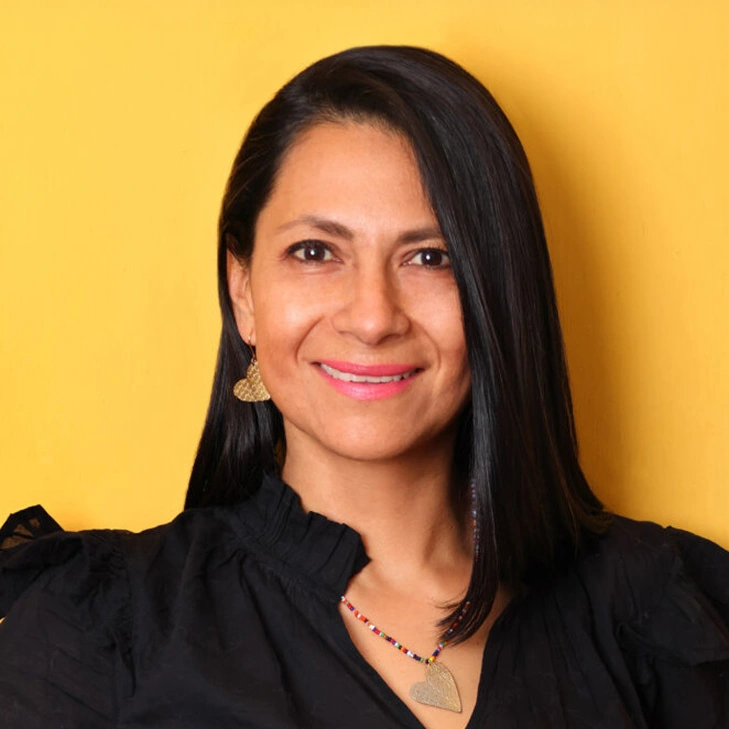
Astrid Puentes Riaño
United Nations Special Rapporteur on the human right to a healthy environment
Learn More
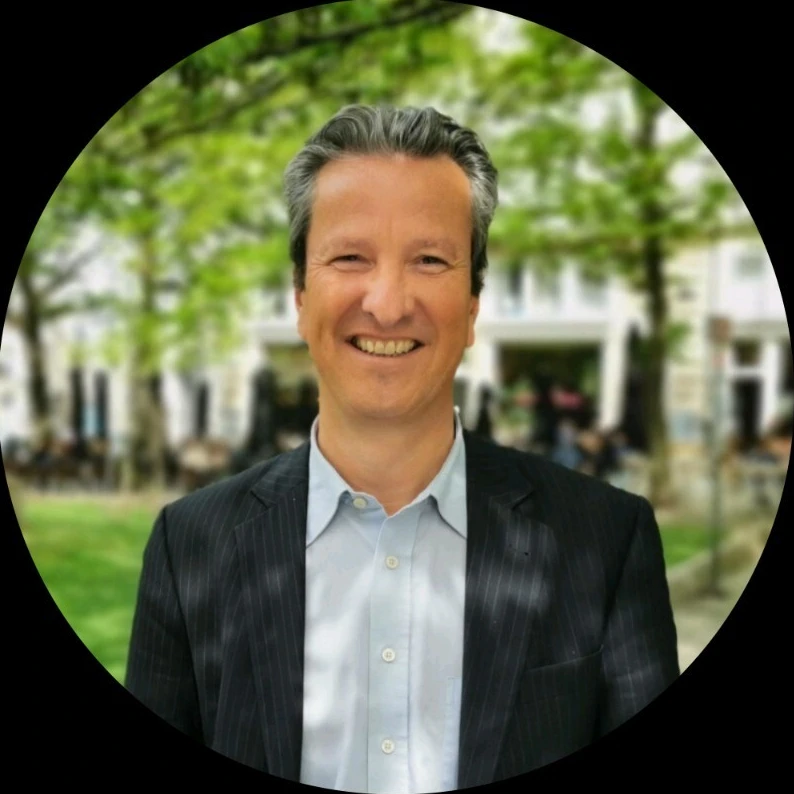
Alexis Deswaef
Human rights lawyer, President of the FIDH
Learn More
The discussion is in English, and intepreted in French
Yurlu | Country
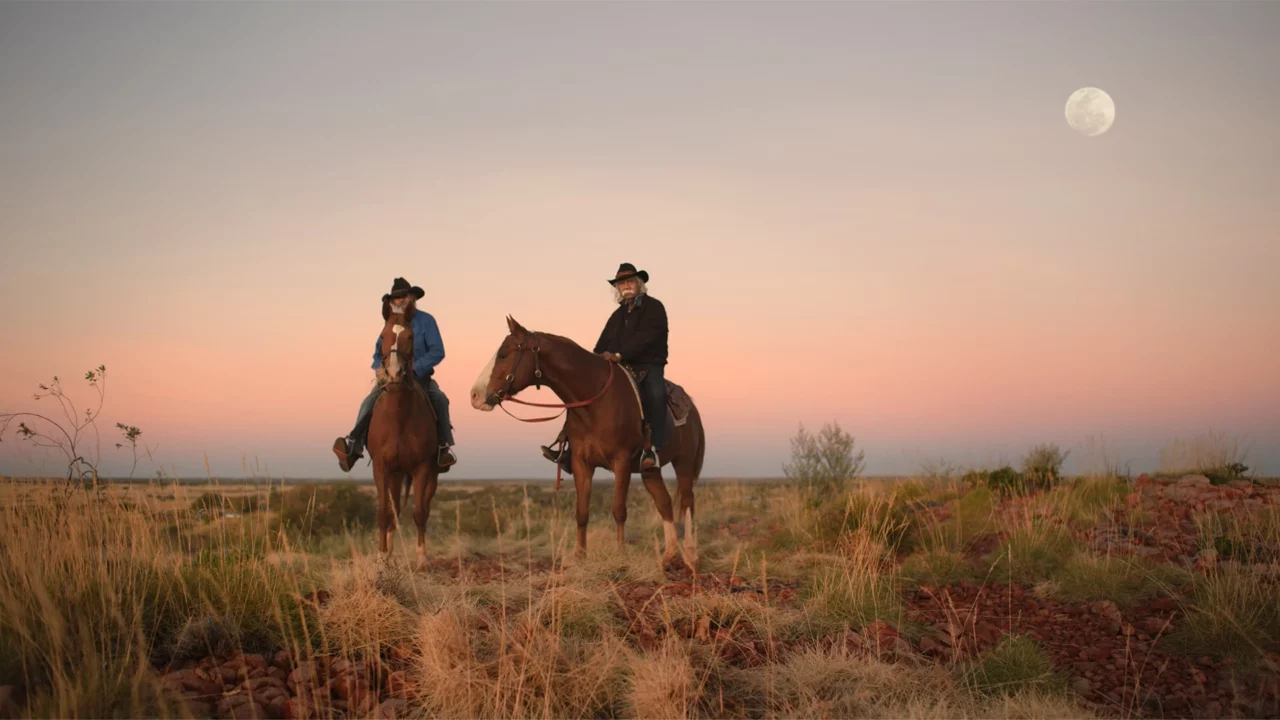
In the Pilbara region of Western Australia, Maitland Parker dedicates his life to protecting Yurlu, his ancestral land, poisoned by asbestos mining. Terminally ill with cancer, he confronts the inaction of the authorities and corporate greed in an effort to enable his people to reconnect with their land. The film reveals an environmental catastrophe comparable to that of Chernobyl, long rendered invisible, and told for the first time from the perspective of the Banyjima people.