When Climate Change Forces Displacement
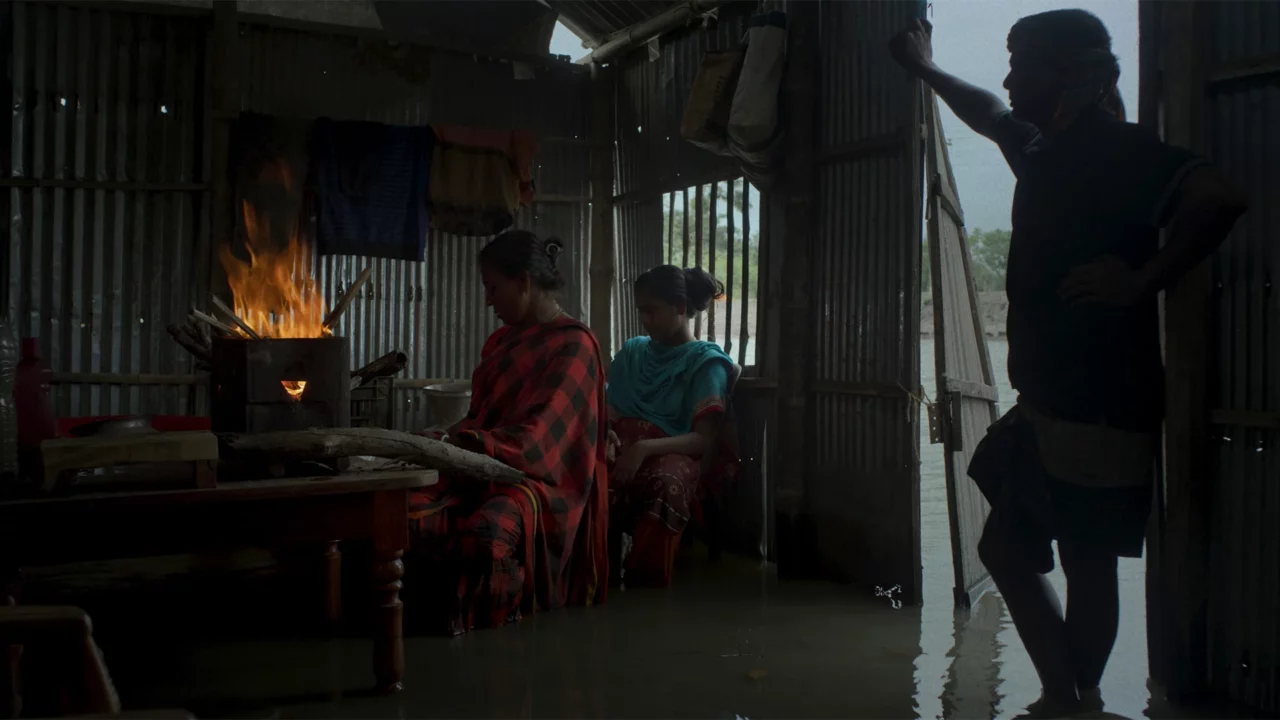
Climate-related displacement raises urgent questions of solidarity, justice and collective responsibility. It underscores the fact that the ecological crisis is also a human and political one. As climate change drives population movements within countries and across borders, states are faced with the need to respond both nationally and through stronger international cooperation. How can such responses be implemented in concrete terms? What forms of solidarity are required to ensure dignified living conditions for those affected? And what challenges do these movements pose for global governance?
Alfonso Gomez
Mayor of the City of Geneva
Adelin Coigny
Founder of the Smile Wave Fund
Shakila Islam
Activist for climate justice
Learn More
Carolina Fuentes Castellanos
Director, Santiago Network Secretariat
Learn More
René Holenstein
Former Ambassador of Switzerland in Bangladesh, Member of the Helvetas Committee
Learn More
Rania Sharshr
Director of the Climate Action Division (CAD), OIM
Learn More
The discussion is interpreted in English and French
Black Water
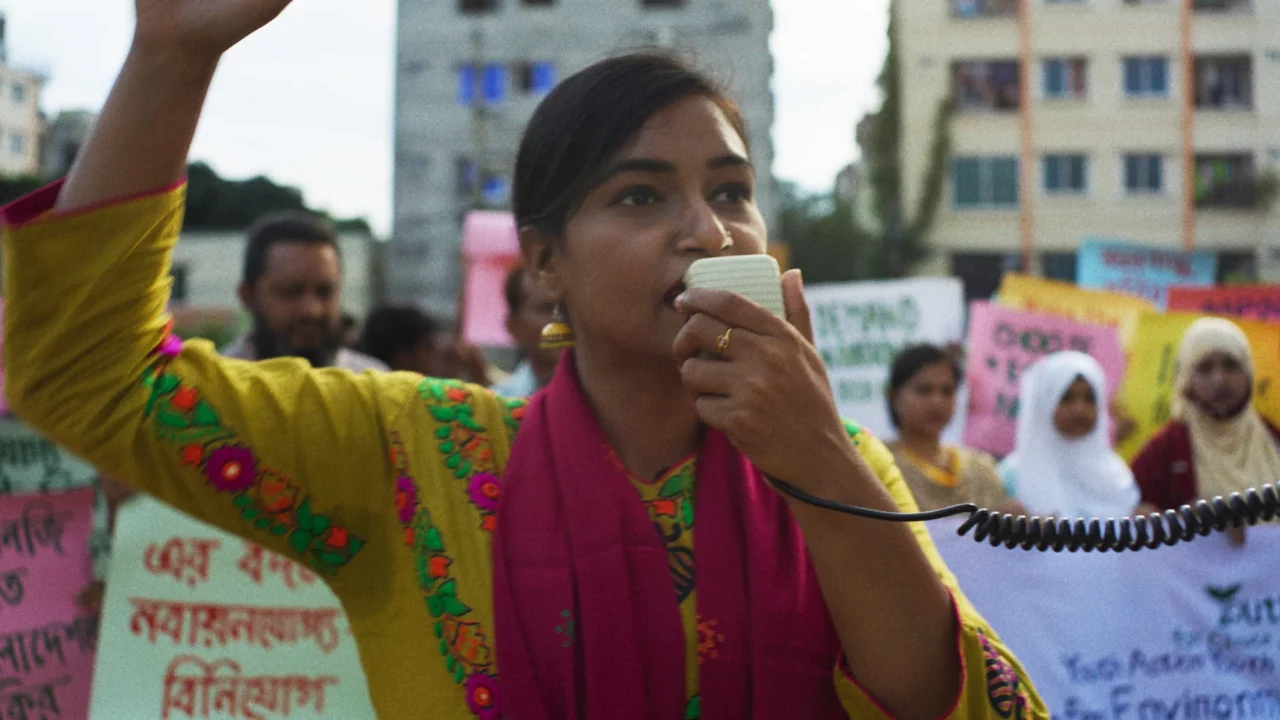
In southern Bangladesh, Lokhi and her family flee an increasingly extreme climate in an attempt to reach Dhaka, the fastest-growing city in the world. What is unfolding in the country today foreshadows the future of the planet: by 2050, Bangladesh is expected to have a population of around 220 million, while large parts of its territory will be permanently submerged, forcing millions into exile. The film takes the form of a thriller, moving from the intimacy of a family to the apocalyptic collapse of cities.