Final Curtain – 24th edition
The 24th Geneva International Film Festival and Forum on Human Rights drew more than 32,000 festivalgoers, with screenings and events selling out throughout the ten-day programme.
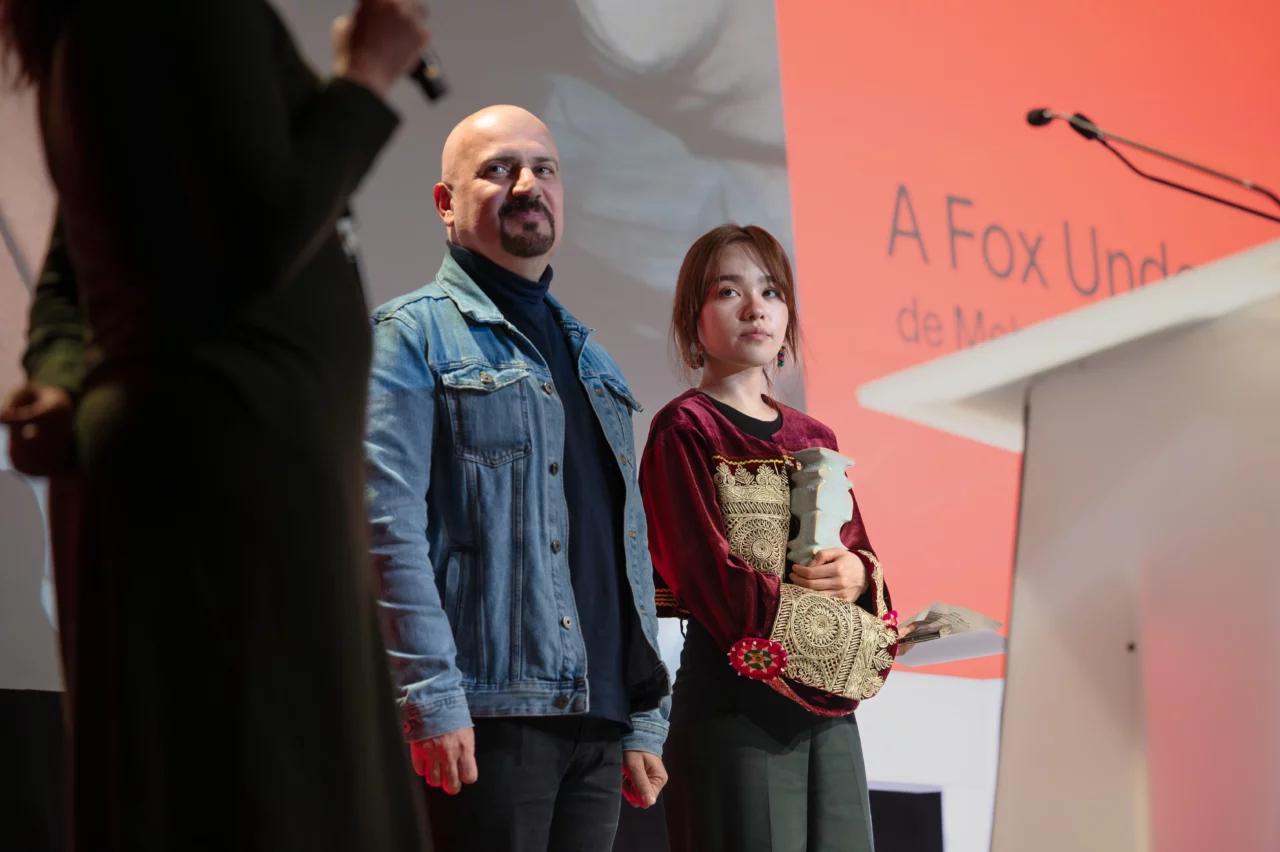
FIFDH 2026 © Manon Voland
Volker Türk, UN High Commissioner for Human Rights, 6 March 2026
Audiences discovered a rich and timely film selection, alongside discussions featuring more than 200 guests from the worlds of art, science, politics and activism. At a time marked by rising authoritarianism and ongoing conflicts, the Festival reaffirmed the power of cinema and of public debate. Thirteen works received awards, including films from Iran and Sudan exploring exile, resistance, resilience and hope.
Highlights
Among the twenty Forums held during the Festival, several attracted large audiences. How Can Europe Counter the Return of Fascism?, with historians and activists Stefanie Prezioso, Narjess Djaafar, Emmanuel Achiri and Meriam Mastour, examined the normalisation of far-right ideas and the gradual erosion of the rule of law. The Forum The Failure of International Law in Gaza addressed the inability of international institutions to respond to violence against civilian populations, reflecting the work of Francesca Albanese, UN Special Rapporteur on the situation of human rights in the Occupied Palestinian Territories. Finally, Solidarity Is Not a Slogan, with Sarah Schulman and Adèle Haenel, explored solidarity as a demanding political practice – shaped by tensions, yet essential to contemporary struggles. Together, these discussions created space for collective reflection on the issues confronting the world today.
Award-winning films
The two international juries of the 24th FIFDH have announced this year’s prize winners, highlighting three outstanding films. From Afghanistan and Iran, A Fox Under a Pink Moon by Soraya Akhlaghi and Mehrdad Oskouei follows a young Afghan artist as she films her path into exile and her determination to keep living and creating despite the risks she faces. From Poland, Letters from Wolf Street by Arjun Talwar offers an intimate portrait of migration and the invisible boundaries created by everyday racism. From Sudan, Cotton Queen by Suzannah Mirghani is a luminous fiction that weaves together memory, power struggles and women’s stories. Three films, three continents and one shared conviction: cinema can still challenge dominant narratives and amplify voices that others seek to silence.
FIFDH Impact
The Vision for Human Rights Award, presented by the Focus Jury, composed of representatives from Amnesty International Switzerland, the International Service for Human Rights, HEKS/EPER, the Policy/Strategy Group and the Ramsar Convention on Wetlands, was awarded to Yurlu | Country by Yaara Bou Melhem (Impact Days 2025 selection). The documentary examines the asbestos mine at Wittenoom, operated with no regard for the Aboriginal communities who are the traditional custodians of the land. It exposes colonial abuses, corporate impunity, repeated human rights violations and environmental devastation, while underlining the urgent need for real legal accountability. Extending the voices of filmmakers and protagonists beyond cinema screens, the Festival and its partners also enabled the director and Johnnell Parker, Vice-President of the Banjima Aboriginal community, to speak at the United Nations during a side event of the Human Rights Council.