Argentina: Fifty Years After the Dictatorship

In 1976, a military coup in Argentina marked the beginning of a dictatorship responsible for the disappearance of some 30,000 people, the deaths and torture of thousands more, and the theft of hundreds of babies. Since 1977, the Abuelas of the Plaza de Mayo have fought to recover their children and grandchildren, playing a decisive role in establishing the right to identity in the UN Convention on the Rights of the Child, and in advancing the right to truth at the heart of the fight against impunity. Nearly fifty years on, 140 stolen children have been reunited with their families. In the face of these mass human rights violations, how can subsequent governments be held to account? What means do citizens have to uncover the truth? And what place does memory hold in today’s Argentina, now governed by a far-right populist who openly admires the dictatorship?
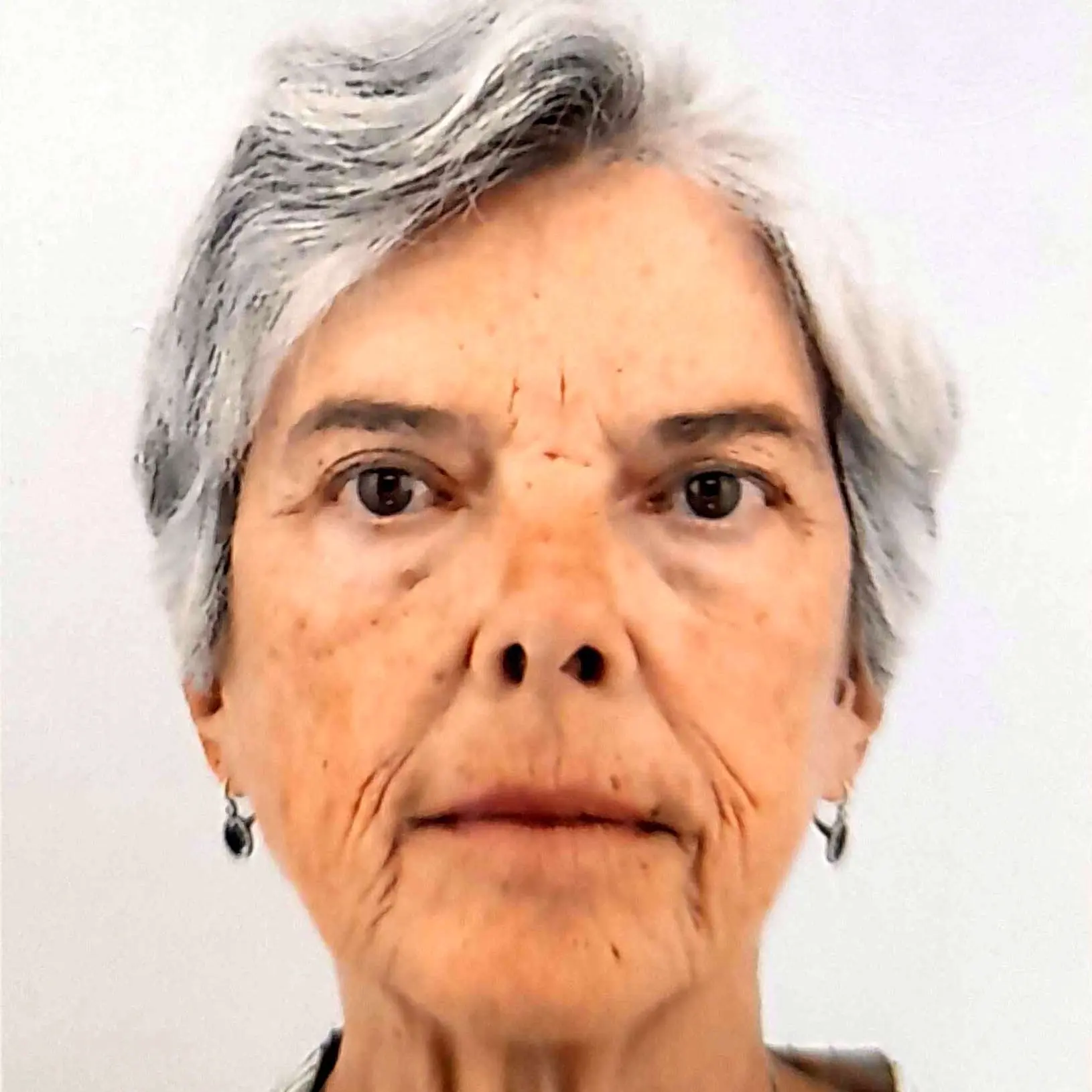
Patricia Perez Catan
President of the Nunca Más Association
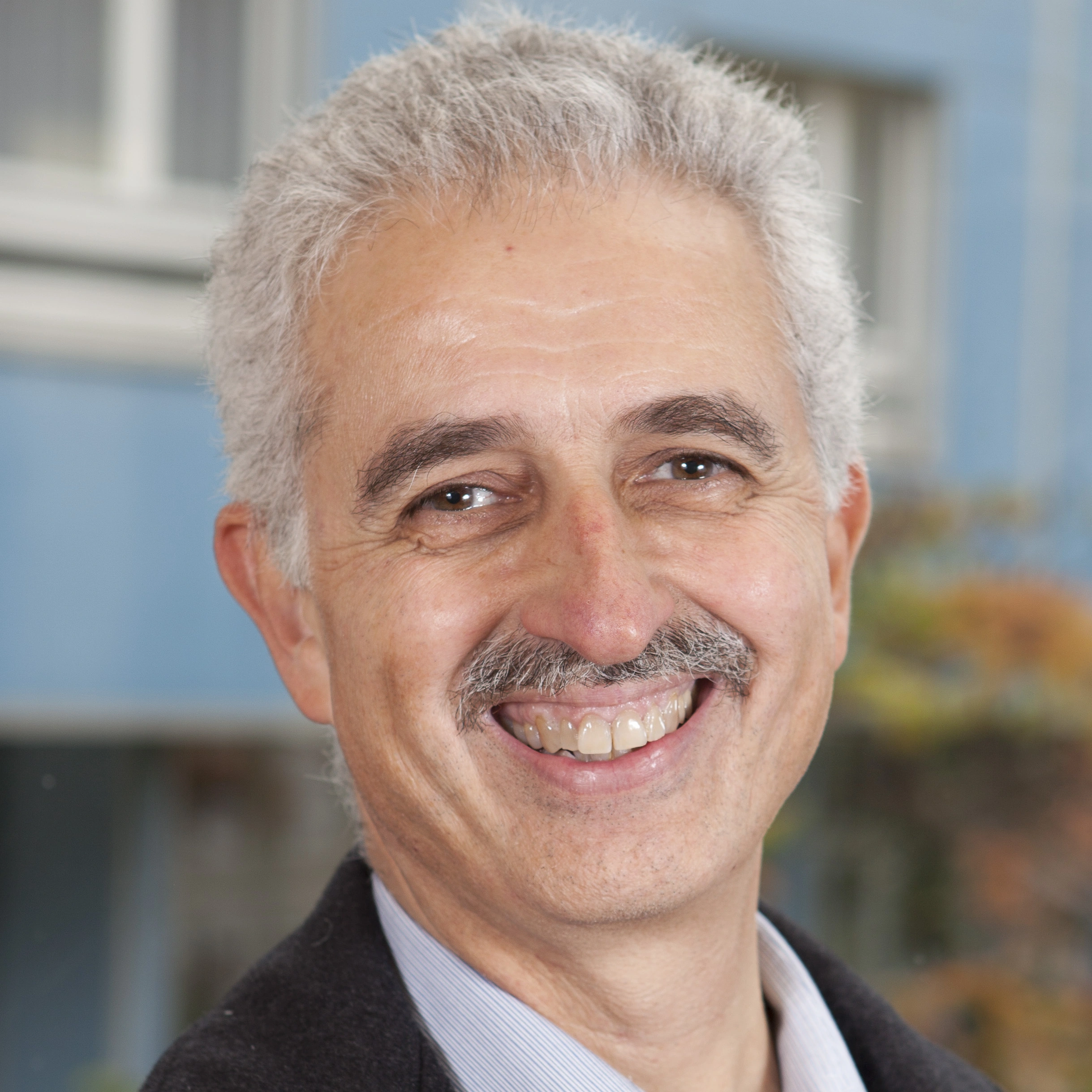
Martin Carnino
Secretary of the Nunca Más Association
Learn More
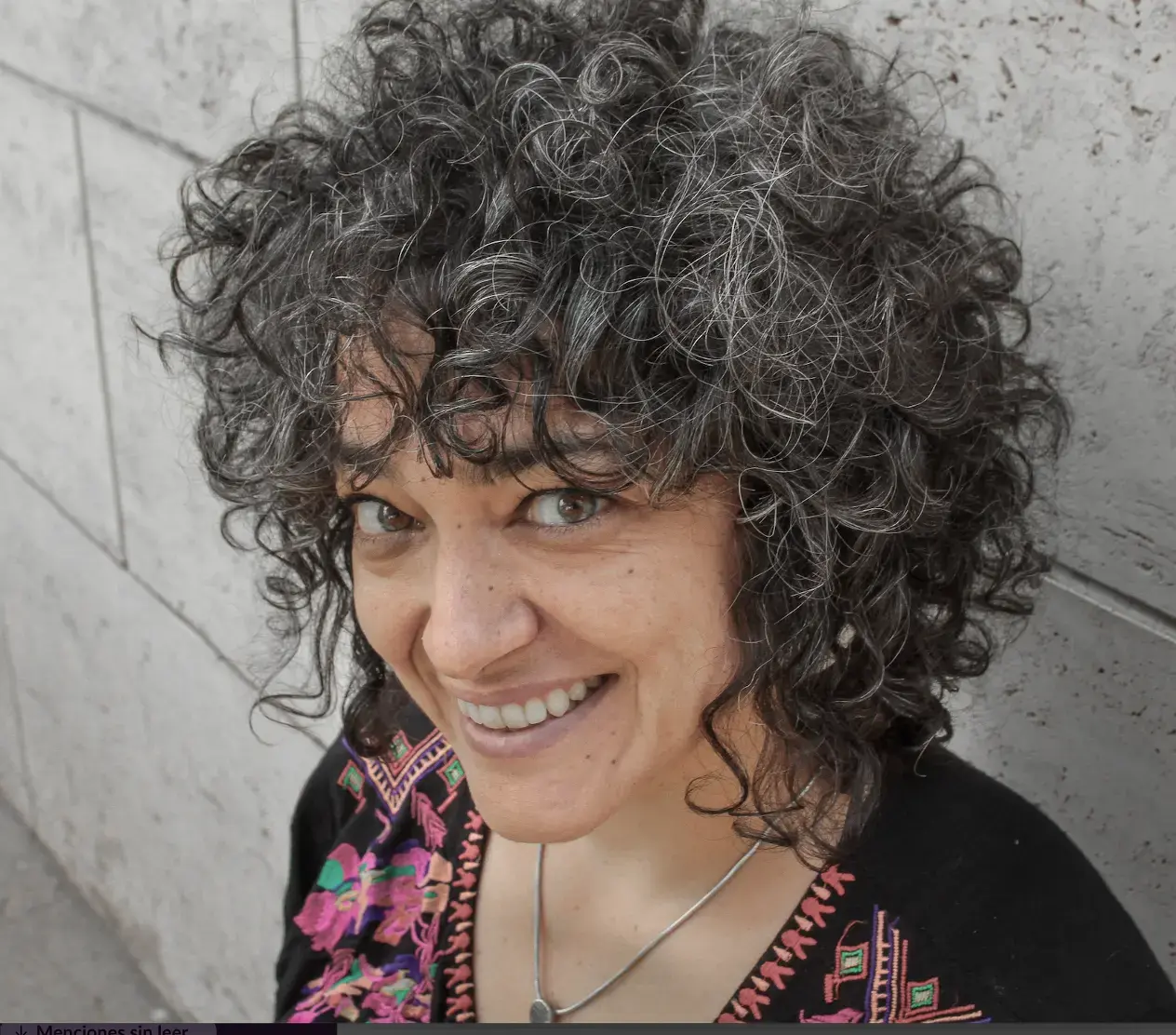
Florencia Santucho
Co-Director of Identidad
Learn More
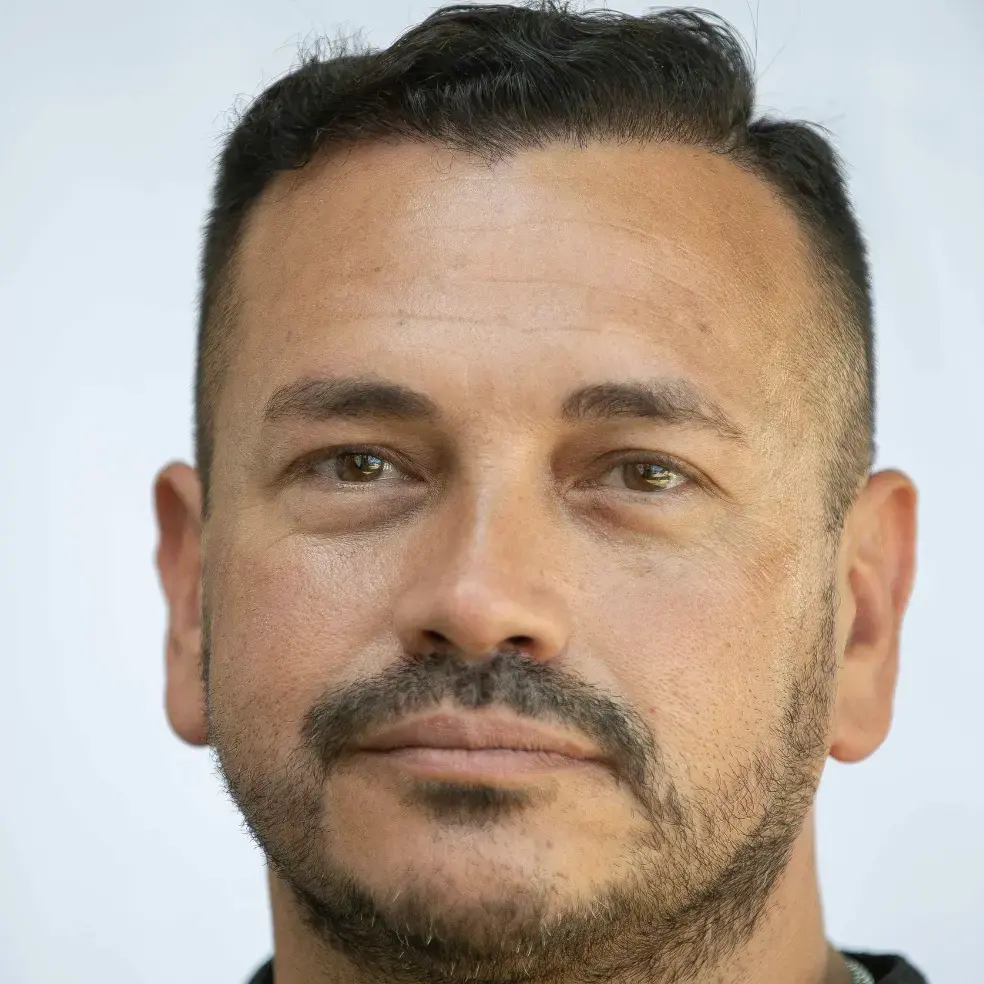
Daniel Santucho Navajas
Protagonist of Identidad
Learn More
Discussions are interpreted in English and French
Identidad
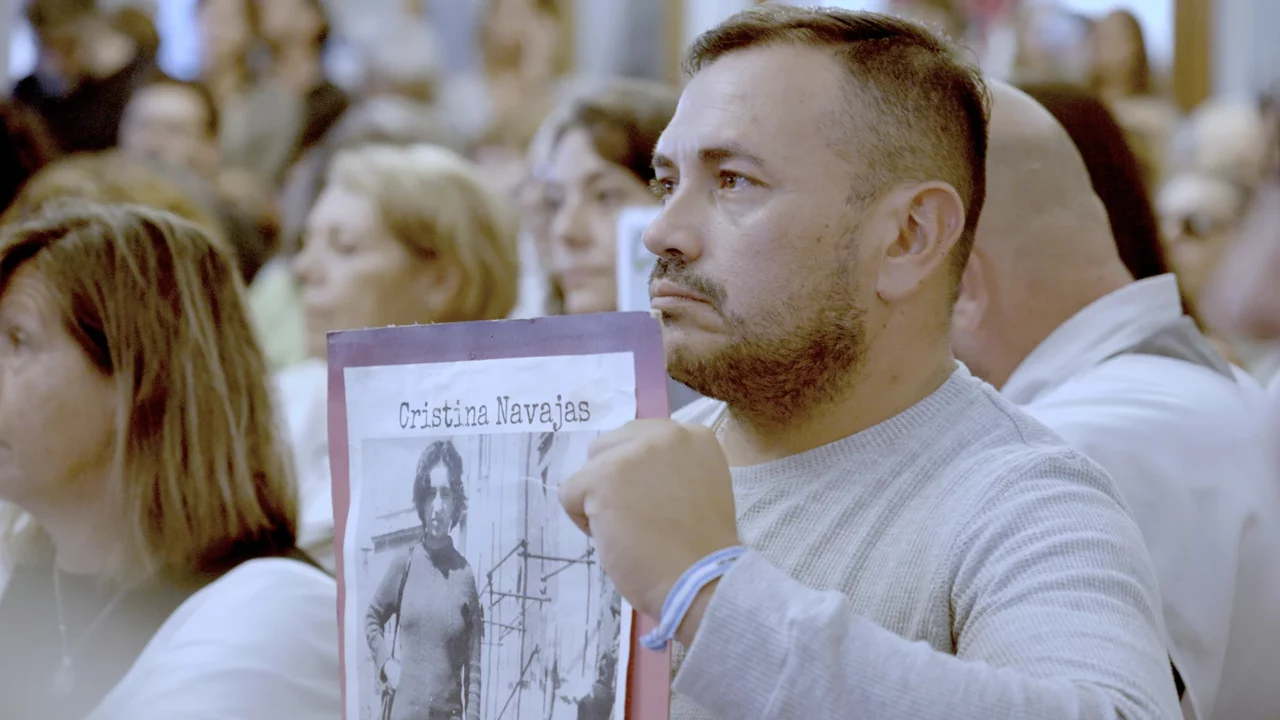
Identidad follows the life of Daniel Santucho Navajas, who was born in detention during Argentina’s military dictatorship and abducted at birth. In 2023, the Abuelas of the Plaza de Mayo traced him through DNA matching, allowing him to uncover what had happened to him and to meet his biological family. His story reflects the fate of the children stolen during the dictatorship and underscores the importance of memory and justice, as well as the fundamental right to identity in the face of crimes committed by the state.
Rodrigo Vázquez-Salessi
Andres Irigoyen
Rodrigo Vázquez-Salessi
Guido Deniro