FIFDH for Schools : highlights in pictures
Thank you all for attending! More than 1,250 of you – including 1,100 students – took part in the 2026 edition of the FIFDH for Schools!
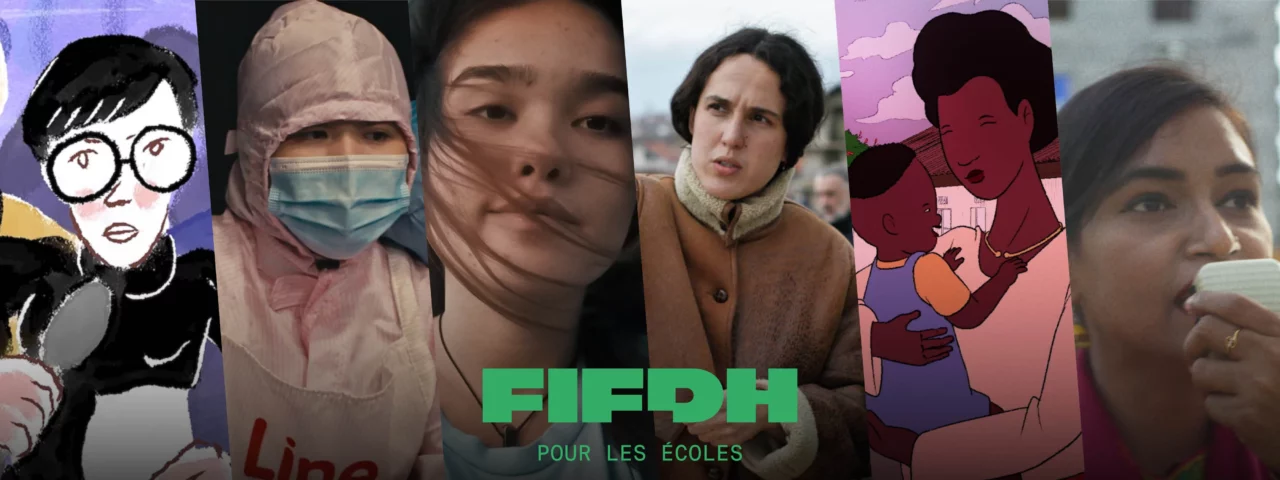
From Vietnam to Rwanda, from Kosovo to Bangladesh, the 2026 school selection weaves a sensitive map of human rights, where collective history is told through personal trajectories.
Struggles for gender equality and workers’ rights, migration journeys, memories of violence, and climate change: the seven selected films display how political and social dynamics forge lives and families. These topics were explored during discussions between students and filmmakers following the 12 screenings. These discussions allowed young people to deepen their knowledge and develop their critical thinking. A look back in images at this memorable edition.
Films from the official selection…
This year, more than half of the films in the School programme came from the official FIFDH selection, in the Creative Documentaries Competition and in the Forums.
Among them, A Fox Under a Pink Moon by Mehrdad Oskouei and Soraya Akhlaghi was awarded both the Grand Prix of Geneva and the Youth Jury Documentary Award at FIFDH 2026.
The film follows Soraya, a 16-year-old Afghan artist who filmed over five years, using her phone, her attempts to flee Iran and her abusive husband, to join her mother in Austria.
The discussions with students were particularly rich and touching thanks to the presence of the filmmakers, who shared their life stories and insights into the current situation in Iran. Soraya received dozens of questions and written messages from the students, many expressing encouragement regarding the strength of her journey and her artwork.

FIFDH 2026 © Manon Voland

The poems are worth being said, and even if no one listens or finds them pretty, they will fly away to the moon to fulfill another beautiful soul.
”Message from a student to Soraya
Also featured in the selection was La Beauté de l’Âne, a Swiss film shot in Kosovo and competing in the Creative Documentaries section at FIFDH. After sixty years of exile, Dea accompanies her father, Asllan, back to his native village of Makermal to revive memories erased by war and confront the loss of a maternal figure.
Director Dea Gjinovci attended the school screenings and shared her personal journey, her filmmaking approach, and her father’s story with students.
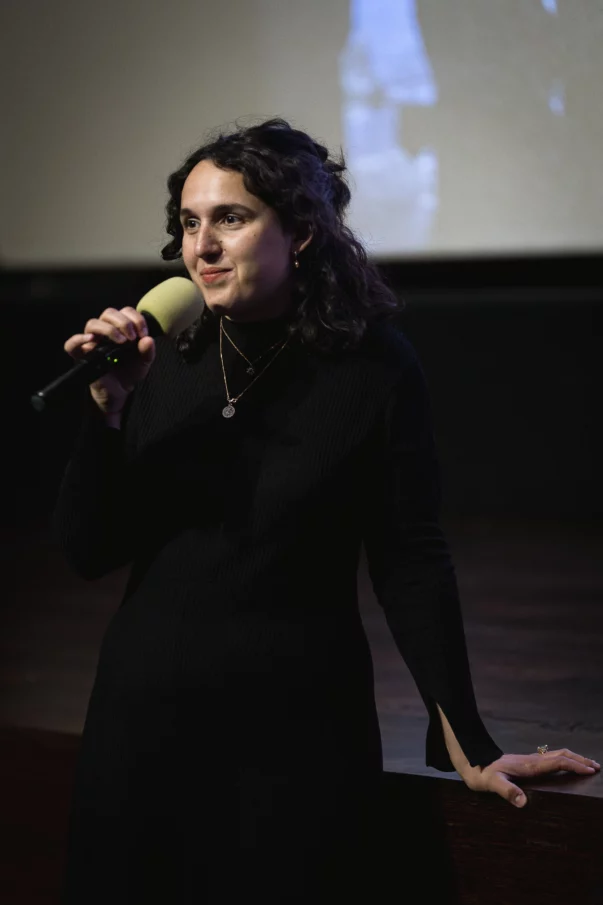

FIFDH 2026 © André P. Cordeli
Among this year’s guests, we also had the pleasure of welcoming Shamim Ahmed Mridha. Originally from Bangladesh, this environmental activist works for the Eco Network For Sustainable Future, advocating for social and environmental justice.
Shamim took part in the discussion following the screening of Natxo Leuza’s film Black Water. This film highlights the threats posed by extreme climate events in southern Bangladesh, where Lokhi chooses to leave her home to go to Dhaka, before her village is submerged.
Black Water competed in the Creative Documentaries section and led to a Forum on climate displacement as part of the official program.

FIFDH 2026 © Manon Voland
Another memorable encounter was with the Geneva-based activist and videographer Carolina Gonzalez (La Carologie). Carolina spoke with students about the beginnings of her feminist engagement and the importance of mobilising to defend one’s rights.
These discussions followed the film The Day Island Stood Still by Pamela Hogan, which revisits a historic day in Iceland’s feminist struggle. In 1975, a general strike was organised to demand gender equality, followed by 90% of the women of this country. Fifty years later, participants recount this extraordinary day.
This film was also presented in the official FIFDH program, as part of a Forum on unpaid women’s labor.

FIFDH 2026 © André P. Cordeli
…And innovative formats
The film SHE by Parsifal Reparato tells the story of female vietnamese workers in one of the world’s largest electronic components factories. Their stories, marked by capitalist exploitation and patriarchy, are carried by a single unifying voice. The film uses a specific dispositif to recreate factory working conditions and collect rare, anonymous testimonies.
The presence of the filmmaker sparked discussions about the exploitation of women workers by multinational corporations, in Vietnam and beyond.

FIFDH 2026 © Florian Luthi

Thank you for this wonderful film, both interesting and touching
”Feedback from a student who attended SHE
For the third consecutive year, we presented a selection of short films : the animated film Ibuka, Justice by Justice Rutikara and the documentary film The Things We Don’t Say by Ornella Mutoni, both addressing the Rwandan genocide and its legacy.
In April 1994 in Kigali, the life of a young couple and their newborn was shattered when the machinery of genocide began. Years later, another generation, born in the shadow of these events, faces the silent legacy of mass violence.
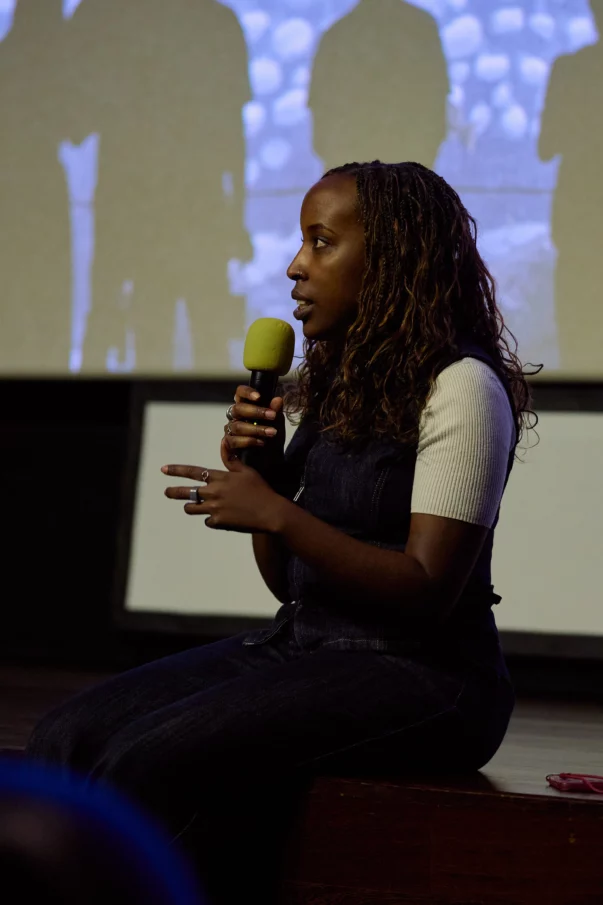
The presence of filmmaker Ornella Mutoni fostered a better understanding of the history of the genocide and of the challenges faced by generations of survivors. This intimate perspective on history was greatly appreciated by students.
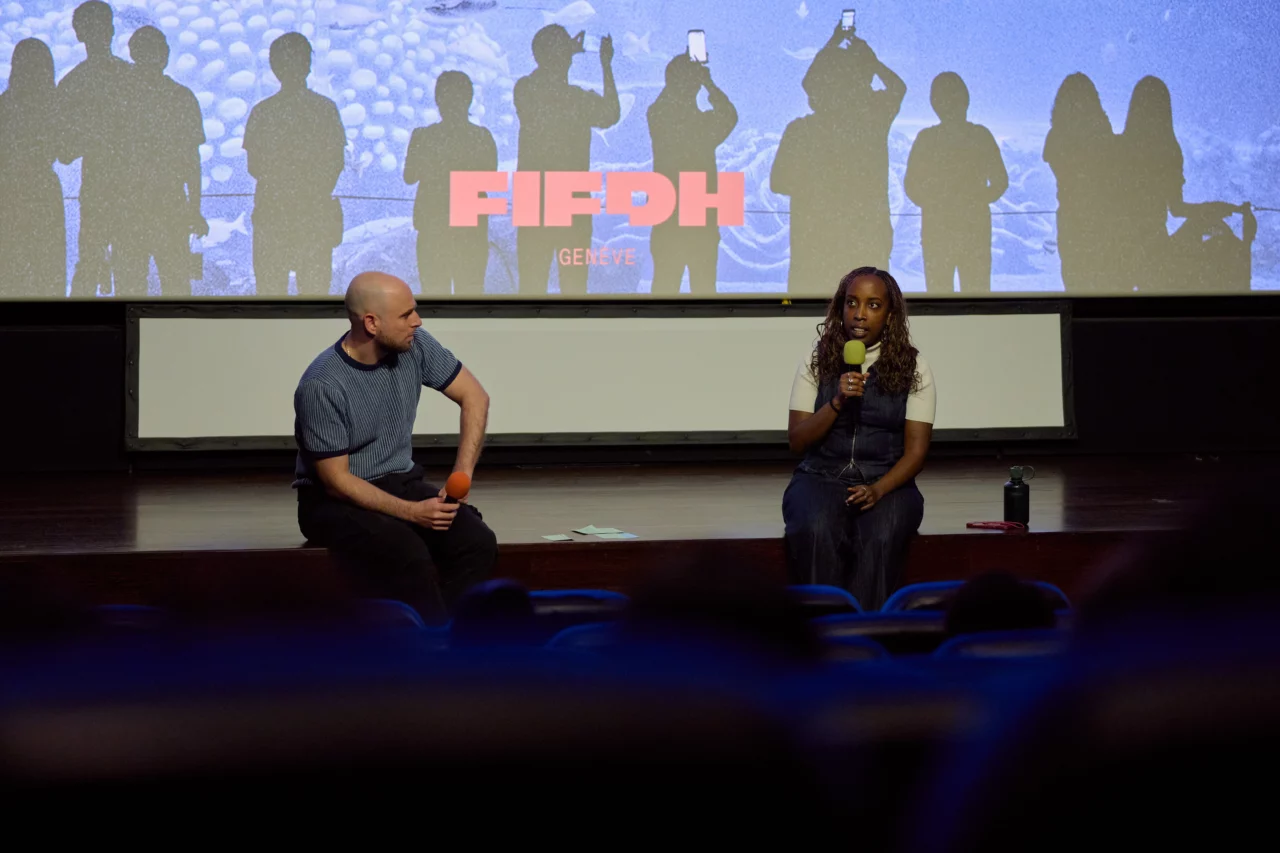
FIFDH 2026 © Florian Luthi
For each film in the selection, an educational pack has been produced, comprising a thematic section to provide context for the issues addressed, as well as a section on film analysis with practical exercises to be carried out in class. The latter was produced in collaboration with E-media.
We thank all our partners, whose support makes this program possible, especially Amnesty International, including Illan Acher, head of human rights education, who led four sessions of the program.
Thank you as well to the teachers and students who participated, as well as the volunteers and the entire FIFDH team.
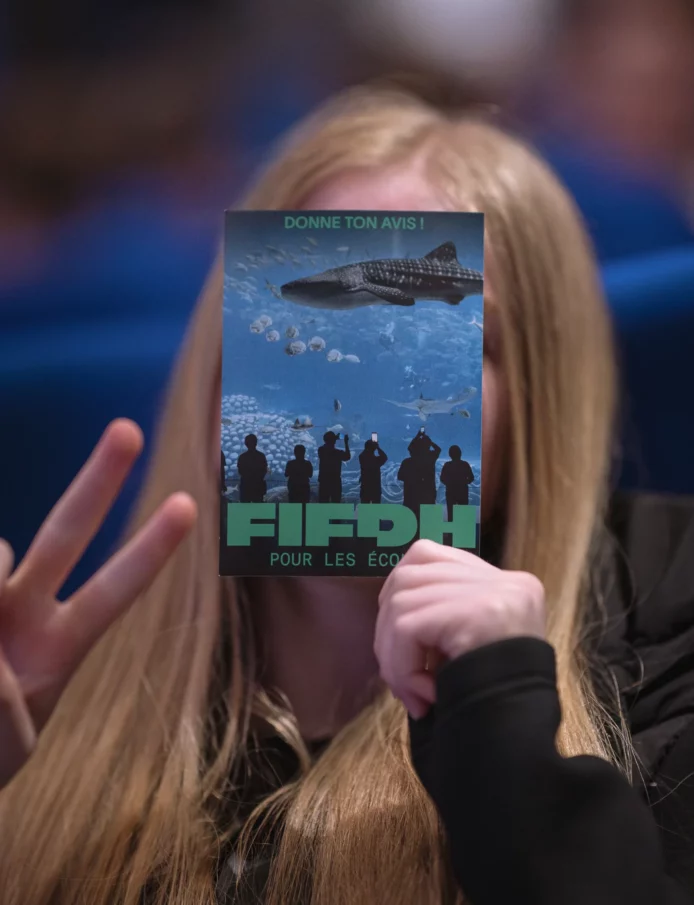
If you took part in the school program as a teacher, please feel free to complete our feedback form.
SAVE THE DATE: MARCH 5–14, 2027
In the meantime, films from the FIFDH for Schools program are available on our online platform. You can watch them for free in class, independently. Films from the 2026 selection will be added in September.
If you would like to organize a screening in your school auditorium, please contact us at: ecoles@fifdh.org
FIFDH 2026 © André P. Cordeli