Among Us Women
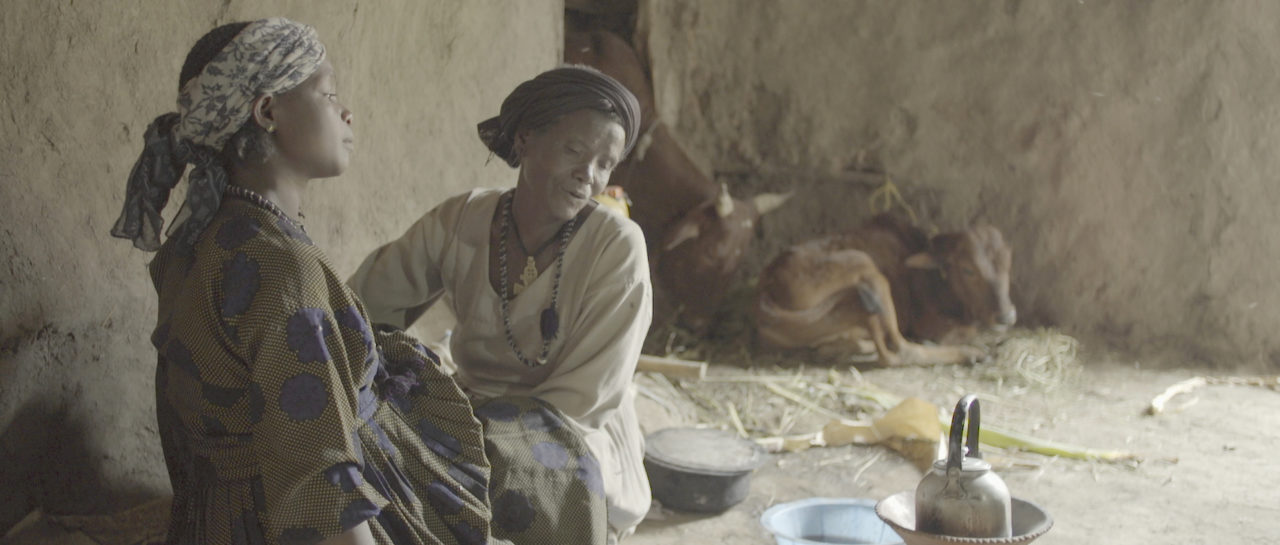
The two midwives Endal (62) and Weläla (26) and the pregnant Hulu (25) look to the future. They strive for a future in which the law passed by the Ethiopian government in 2004 – which claims that women have the right to state protection against harmful traditions – will finally be implemented in Megendi. Despite the policies of setting up rural health centers to reduce the high mortality rate of live births and prohibiting homebirth, traditions such as female circumcision and child marriage remain present. Many women feel as if their personal needs during pregnancy and birth are not catered for by the government. There are obvious patriarchal structures in the village, but the profession of midwifery turns everything upside down. This is where women are in charge. The critical questioning of socially assigned roles for women runs through all three narrative strands, and together they form a documentary that exemplifies three self-confident women in a society experiencing radical change.
Sarah Noa Bozenhardt (Germany)
Sonja Kilbertus (Germany)
Evolution Film
Efuye Gela Media Productions
Inge Bozenhardt (Germany)